

Find your kind of matcha.
From traditional bowls to creamy lattes, explore matcha by taste, grade, recipe, and use case.
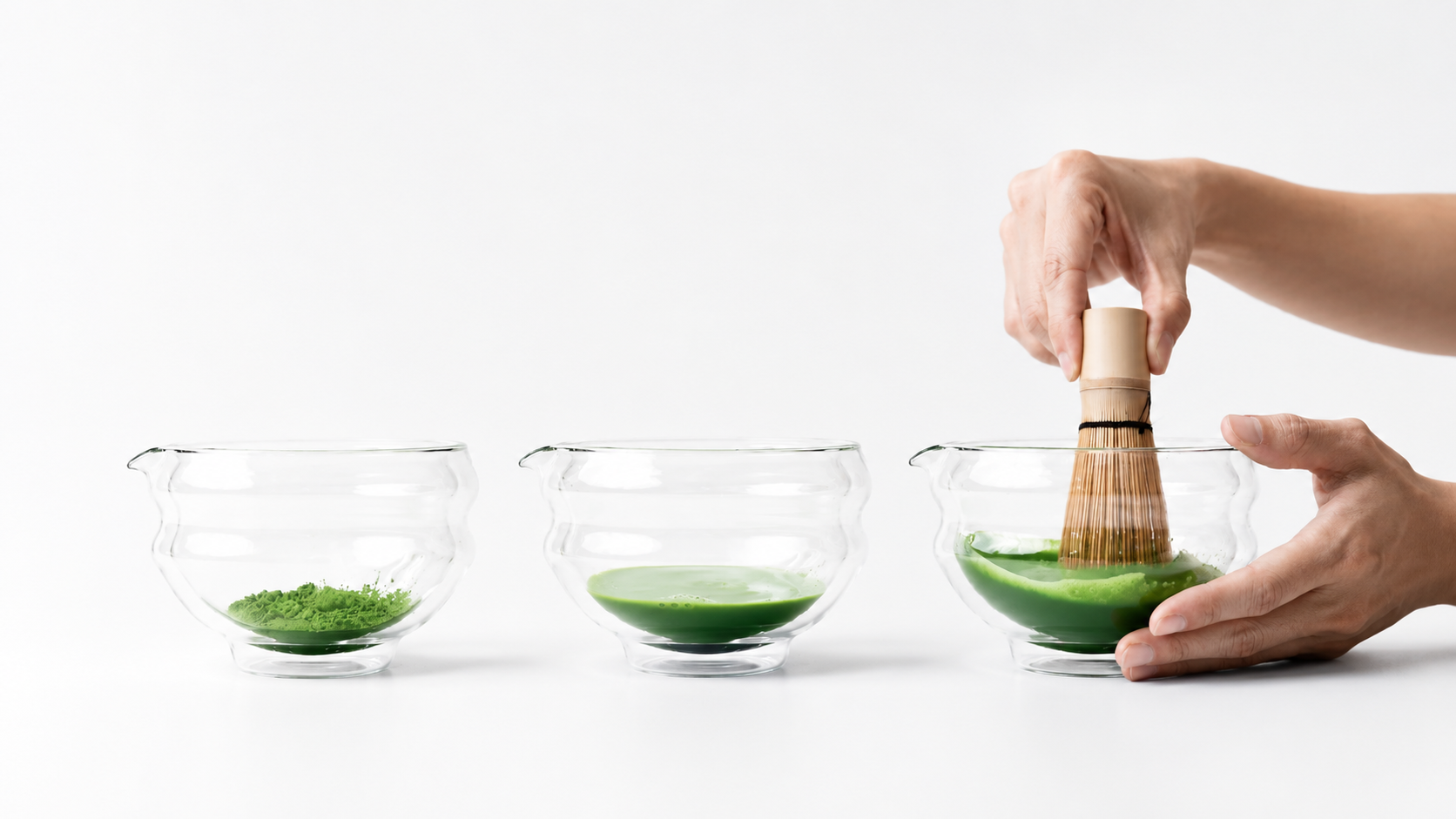
Before you choose, understand matcha.
Matcha can be simple, but the difference between grades, origins, and applications can change the whole drinking experience.
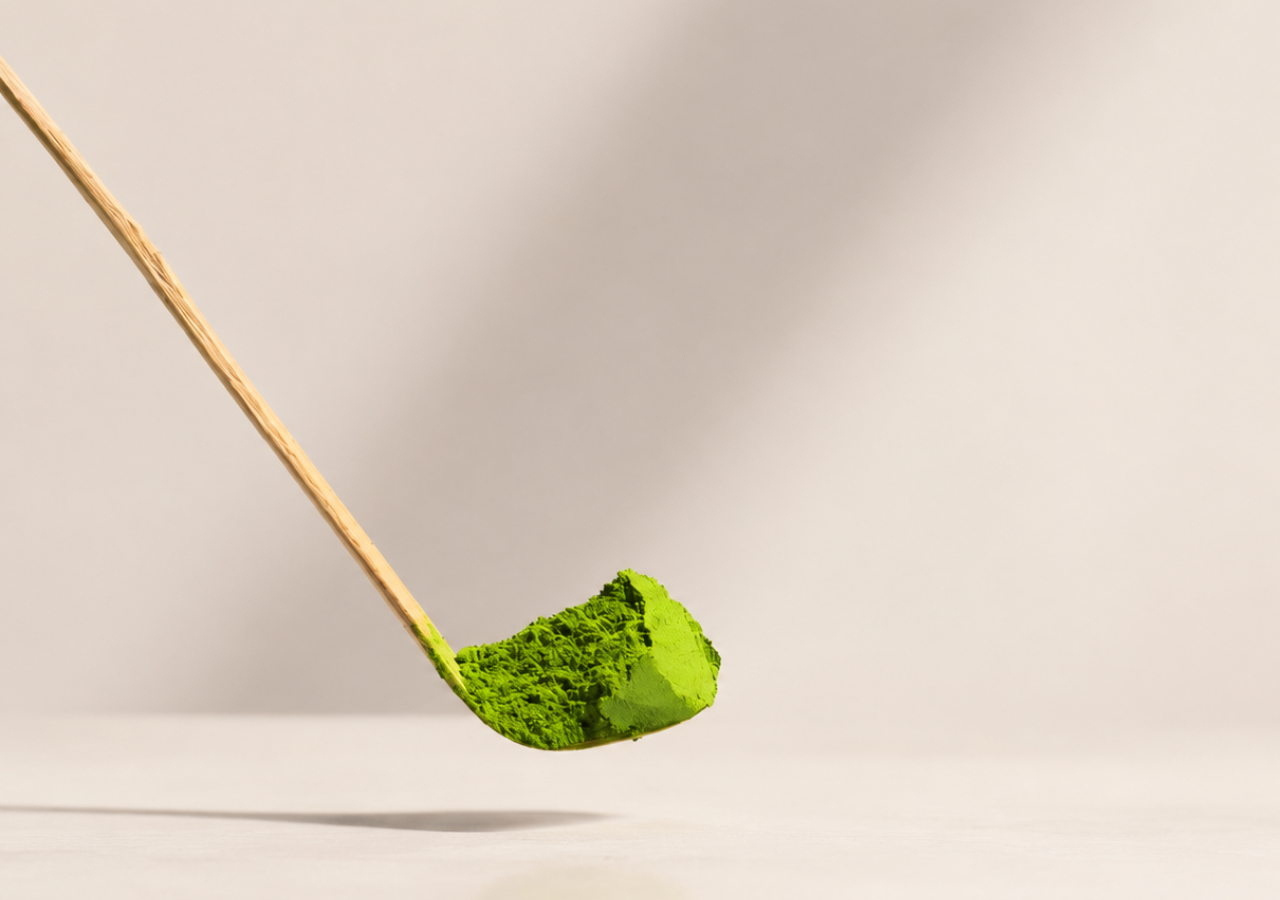
What is matcha?
Matcha is shaded-grown tea, ground into a fine powder. Instead of steeping tea leaves and removing them, matcha is whisked directly into water or milk.
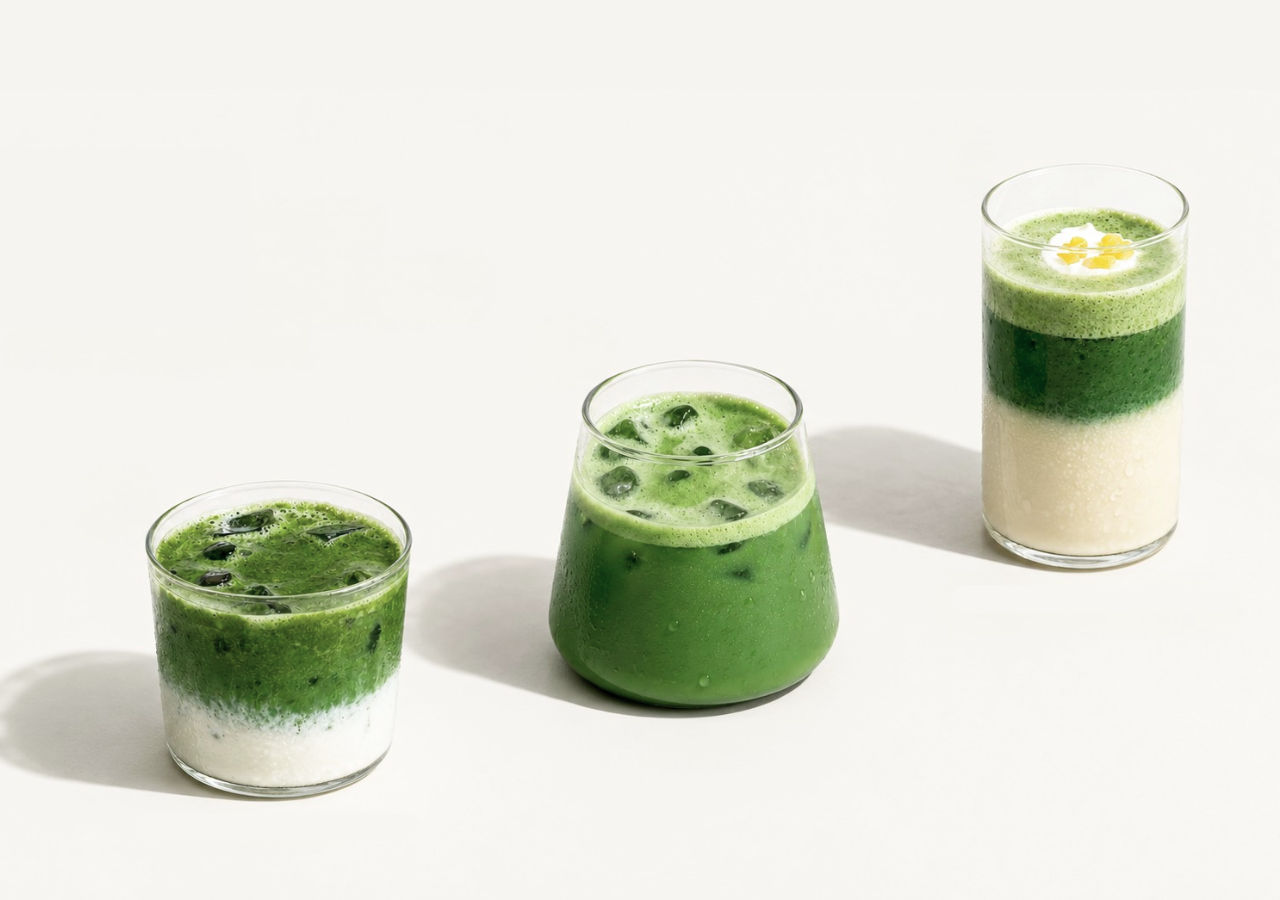
Why is everyone obsessed?
Matcha is loved for its layered taste, smooth energy, beautiful green colour, and versatility. It can be prepared traditionally, made into lattes, used in desserts, or built into modern café menus.
The Davon matcha difference.
Not all matcha is equal. We find the good stuff in the nooks and crannies of Japan, leaving you with a selection of matcha at each price point.
Whether you are a matcha enthusiast or simply into matcha lattes, we will have something for you.
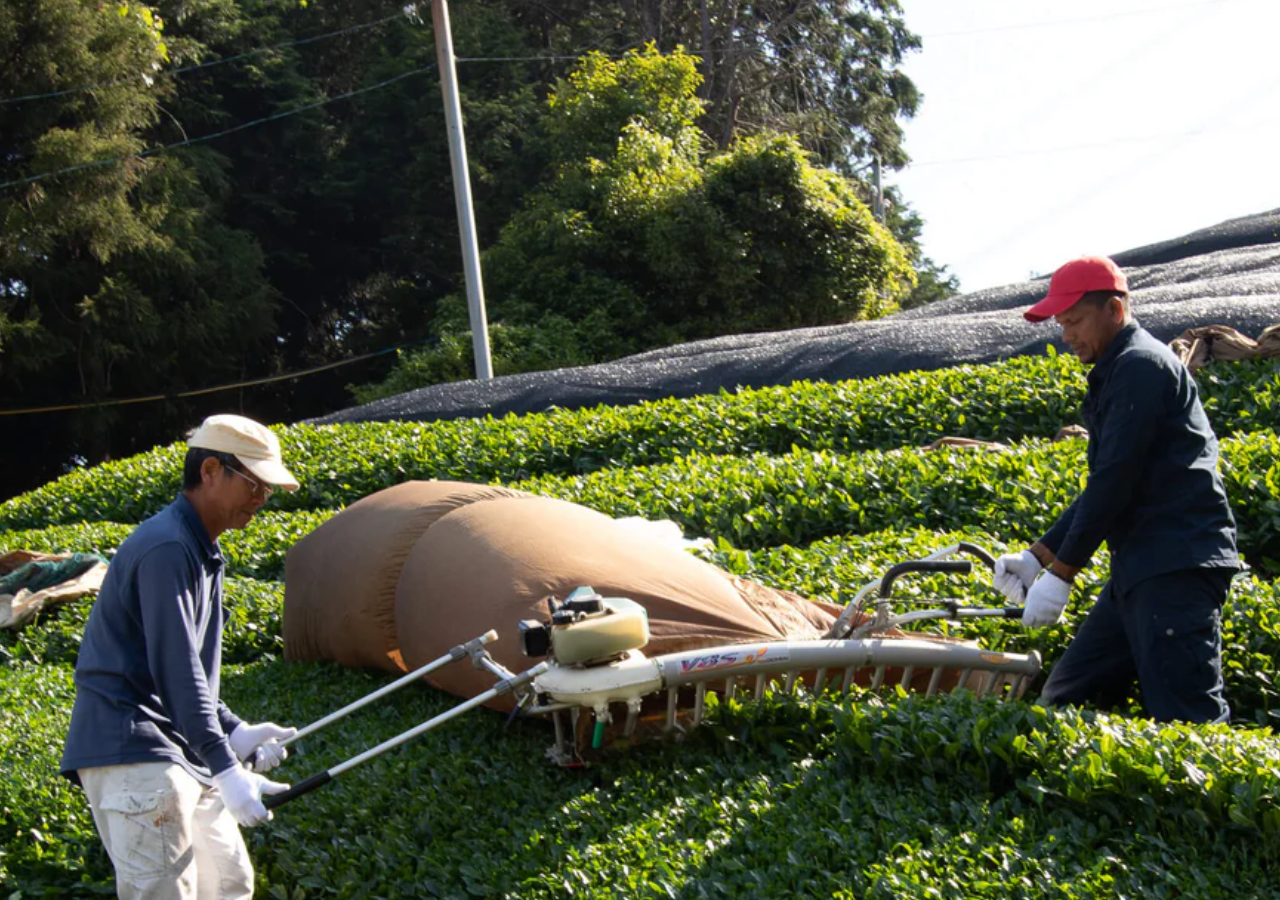
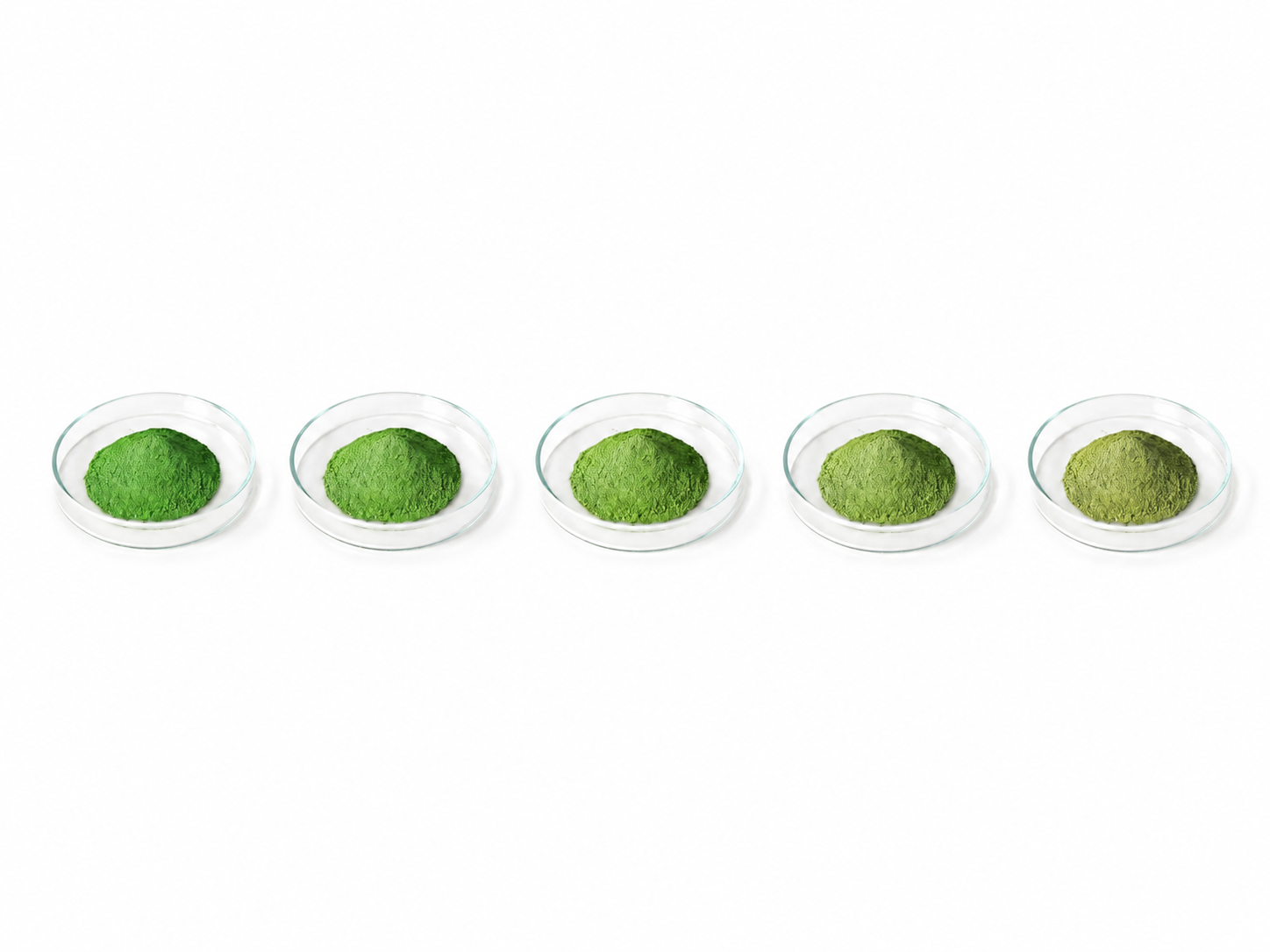
Find your matcha.
Depending on many factors, different types of matcha have different tastes and flavour profiles. Learn more, compare the grades, or simply get a sampler pack to find your favourite.
Compare Matcha →Find the right grade.
Choose by drinking experience, café positioning, or daily business use.
Flagship Matcha
Davon’s most premium matcha range for refined drinking, gifting, and elevated daily rituals.
Compare Flagship →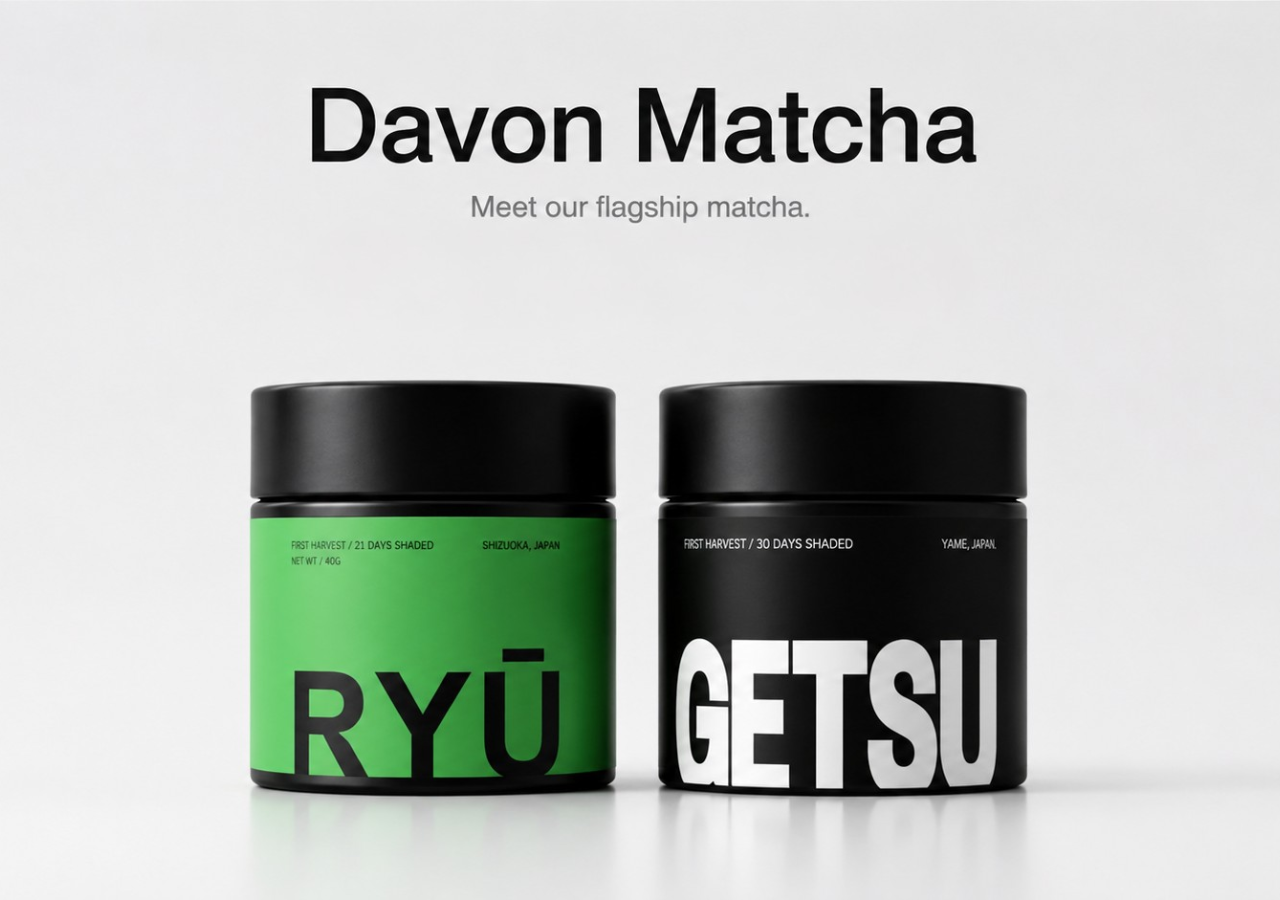
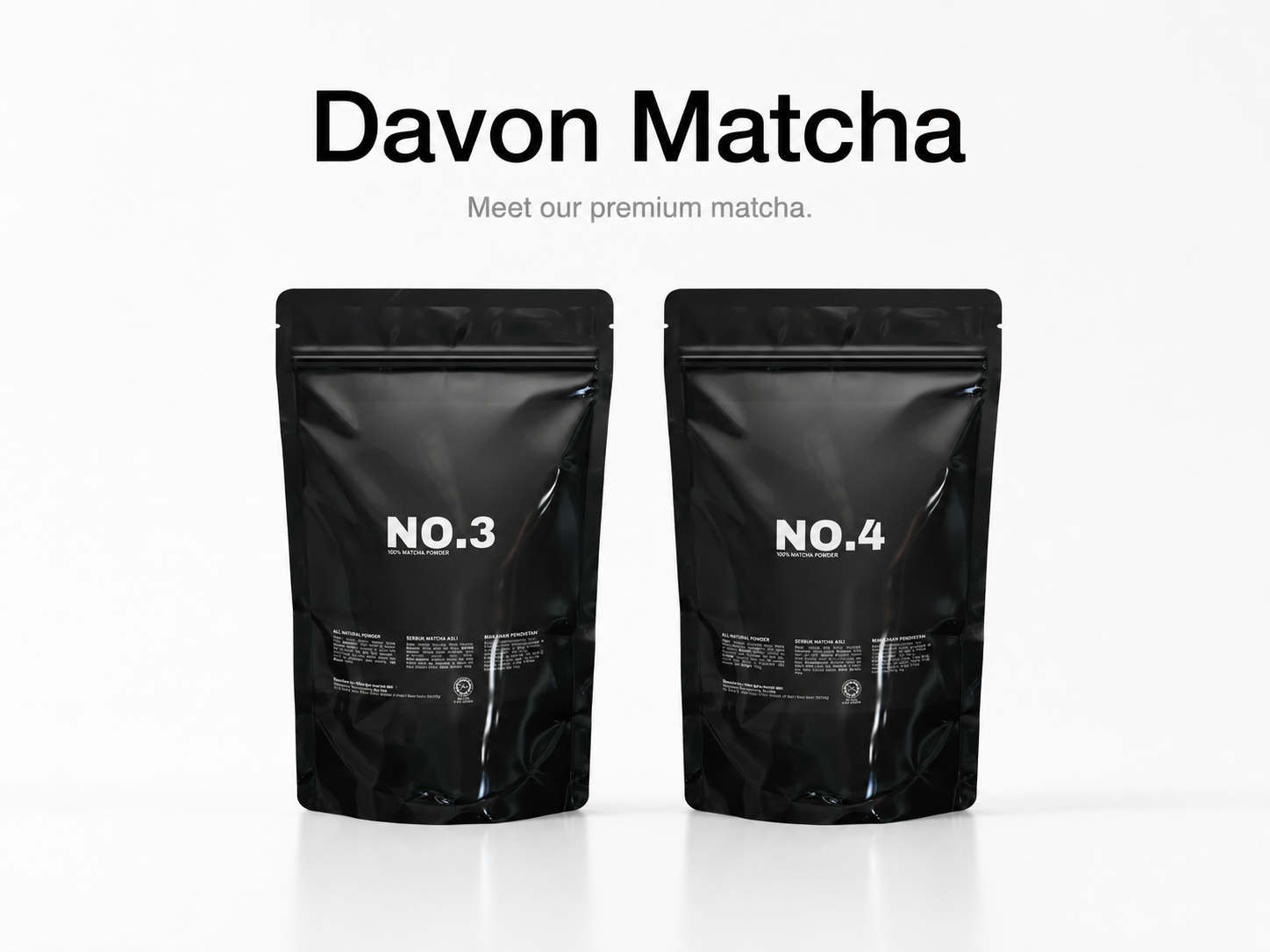
Premium Matcha
Premium matcha for cafés and customers who want stronger colour, taste, and menu positioning.
Compare Premium →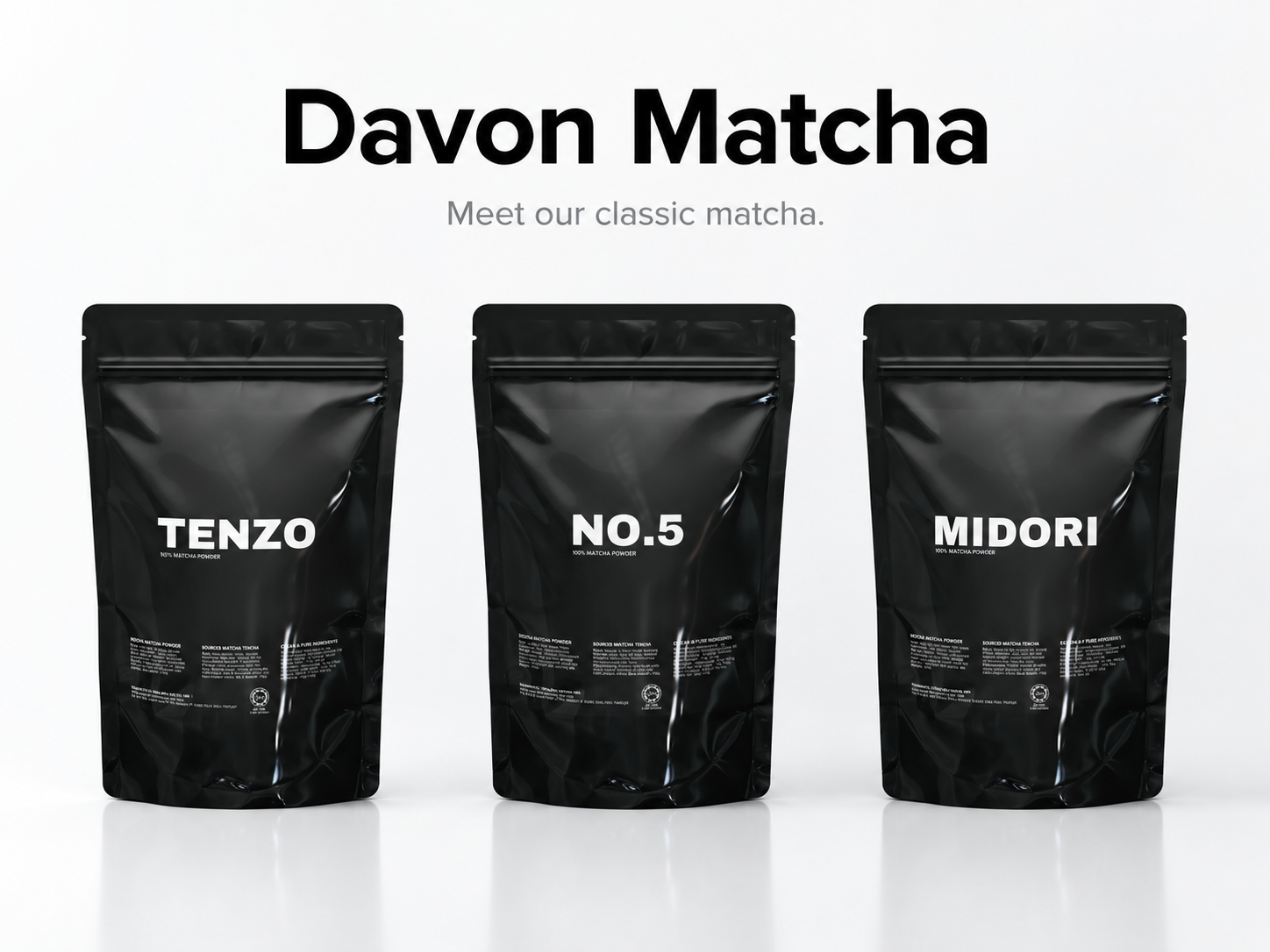
Classic Matcha
Practical matcha options for business menus, milk-based drinks, flavoured matcha latte, bakery, and desserts.
Compare Classic →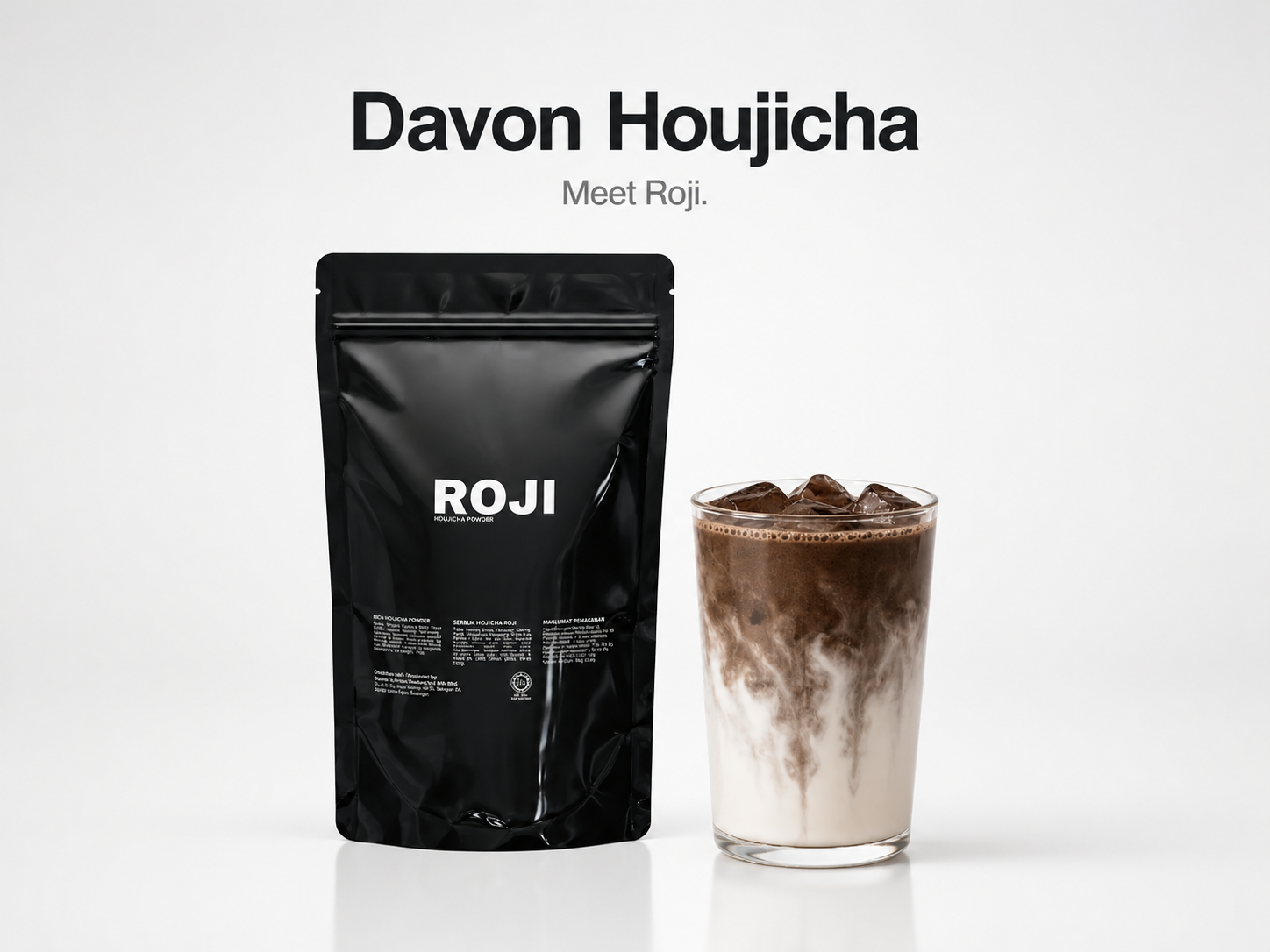
Houjicha
Medium-roasted houjicha powder for roasted tea latte, desserts, bakery, and warm nutty tea menus.
Explore Roji →Compare by taste, origin, and use.
Choose the matchas you want to compare. Explore origin, cultivar, taste profile, application, and flavour intensity side by side.
| Compare | |||||||
|---|---|---|---|---|---|---|---|
| Origin | Shizuoka, Japan | Yame, Japan | Mie, Japan | Shizuoka, Japan | Mie, Japan | Shizuoka, Japan | Mie, Japan |
| Tea Cultivar | Yabukita + Okumidori | Okumidori + Tsuyuhikari | Samidori | Yabukita + Samidori | Yabukita | Yabukita + Samidori | Yabukita |
| Aroma | |||||||
| Umami | |||||||
| Sweetness | |||||||
| Bitterness | |||||||
| Creaminess | |||||||
| Taste Profile |
|
|
|
|
|
|
|
| Application | Usucha / thin tea, hot & iced latte, medium or low temperature baked dessert, ice cream. | Usucha / thin tea, hot & iced latte, medium or low temperature baked dessert, ice cream. | Thin tea / usucha, hot & iced latte, iced blended, pastries & cakes. | Hot & iced latte, iced blended, pastries & cakes. | Hot & iced latte, iced blended, pastries & cakes. | Hot & iced latte, iced blended, pastries & cakes. | Hot & iced latte, iced blended, pastries & cakes. |
Matcha for cafés and beverage businesses.
Need help choosing the right grade for your menu, cost target, or customer profile? Our team can recommend the best matcha or houjicha powder for your operation.
Matcha questions, answered.
Which Davon matcha is best for latte?
For premium café latte, No.3 or No.4 are strong options. For daily business use, Tenzo, No.5, or Midori may be more practical depending on your menu cost and customer profile.
Which matcha is the most premium?
Ryū and Getsu are Davon’s flagship matcha range. They are positioned for customers who want the most premium matcha experience, whether for drinking, gifting, or refined daily use.
Which matcha is best for business use?
Tenzo, No.5, and Midori are classic matcha options that are more practical for café operations. No.5 is especially suitable for business menus, milk-based drinks, flavoured matcha latte, and bakery applications.
How should I store matcha?
Store matcha in an airtight container, away from heat, sunlight, moisture, and strong odours. After opening, keep it tightly sealed and use it as soon as possible for the best colour, aroma, and taste. For better freshness, refrigerated storage is recommended, but allow the container to return to room temperature before opening to reduce condensation.
Why does matcha taste different between batches?
Matcha is made from tea leaves, so it is a natural agricultural product. Slight differences in taste, colour, aroma, bitterness, umami, and sweetness can happen between batches due to harvest timing, growing conditions, tea leaf characteristics, processing, grinding, freshness, and storage. This is normal for natural tea products.
Do you offer wholesale pricing?
Yes. For larger-volume matcha enquiries, please contact Davon for Biz or speak with our sales team.
Matcha Latte
A creamy matcha latte can be prepared using either the hot whisk method or cold whisk method.
Hot whisk method
- 6g matcha
- 60ml water at around 65°C
- Whisk until smooth
- Add 120ml milk
- Serve with ice if desired
Cold whisk method
- 6g matcha
- 150ml milk
- Froth or whisk until smooth
- Serve cold
Usucha
A lighter matcha preparation for direct drinking. Recommended with No.3, Ryū, or Getsu.
Formula
- 4g matcha
- 40ml water for whisking
- Add 120ml water after whisking
- Use water not more than 70°C
Koicha
A richer and thicker matcha preparation with a more concentrated taste.
Formula
- 4g matcha
- 40ml water
- Whisk until smooth and thick